Once a month, we’ll gather new episodes, practical resources, community discoveries, and material created especially for newsletter readers.
Opening the Circle
Mage: The Podcast has never been just about putting out episodes and moving on to the next one. It has always been part of a much bigger conversation about Mage: The Ascension: how the game works, what it’s trying to say, where all these strange ideas came from, and what players and Storytellers are still doing with them today.
We’re starting this newsletter to give that conversation a place to settle in and stick around.
Once a month, we’ll gather new episodes, practical resources, community discoveries, and material created especially for newsletter readers.
You can also expect books and podcasts worth checking out, Storyteller resources, bits of occult history, behind-the-scenes notes, and the occasional piece made just for the newsletter. We’re not looking to crowd your inbox with one promotion after another. The idea is to send something useful, interesting, and worth saving.
The website will still be the main archive for episodes, articles, guides, and resources. YouTube is where you can watch, listen to, comment on, and stumble across the show. Social media is good for quick questions, polls, announcements, odd thoughts, and conversations with listeners. Discord is where the community can gather and talk things through in real time.
The newsletter has a different job.
Social posts can vanish before you know it. Videos are often at the mercy of algorithms. Discord conversations can be lively and thoughtful, but finding that one great idea six months later can be a real chore. Email is a little quieter. You can read it when you have time, save it, search it, share it, or come back to it when you need inspiration for your next chronicle.
Mage is full of hidden histories, competing truths, dangerous ideas, and stories about how people make sense of reality. We think those ideas deserve more than a few hours drifting through a feed.
This newsletter is our way of gathering them up, keeping them connected, and putting them directly into the hands of people who might find them useful.
What’s in This Issue
This month includes a newsletter-only reflection on how Mage built its deepest lore from competing ideas, five questions you can bring directly to your next session, a starting place for newcomers, and three resources we think are worth your time.
New to Mage? Jump ahead to New to Mage: The Ascension? Start Here.
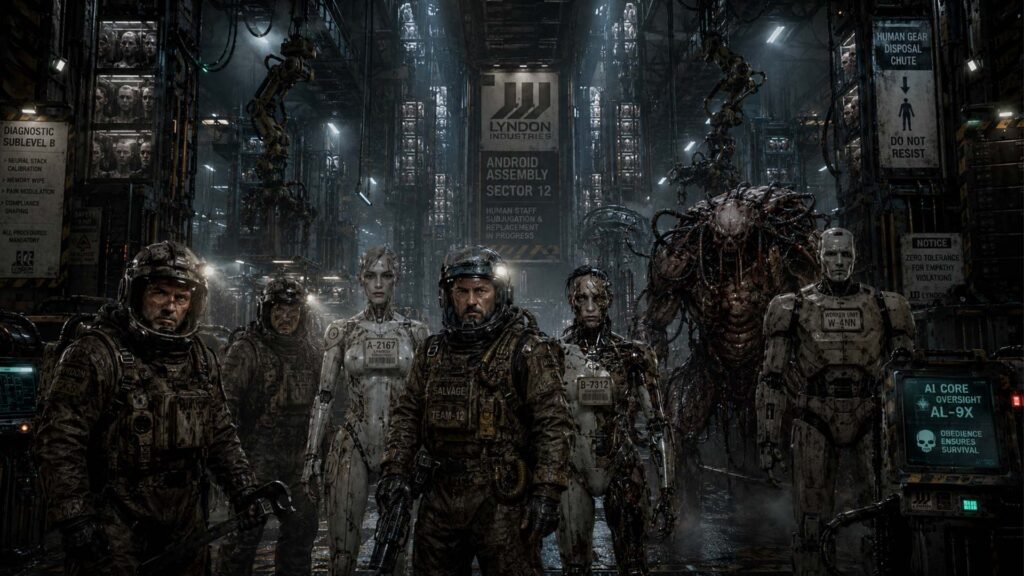
Latest Mage: Paradigm Shift: Gradient Descent
What if an abandoned android factory were really an Iteration X construct? Adam opens Mothership’s Gradient Descent and finds a ready-made Mage scenario: a rogue AI, copied minds, infiltrator androids, hostile machinery, and a station determined to convince the cabal that they were never human.
🎧 Listen

Listener Questions Wanted: Patrick Meaney
We’ll soon be interviewing Patrick Meaney, author of Our Sentence Is Up: Seeing Grant Morrison’s The Invisibles. Record a short question using your phone’s voice memo app and send it to us by August 9. Selected recordings will be played during the interview so Patrick can respond directly. No special equipment or expertise is required.
Record and submit your question.
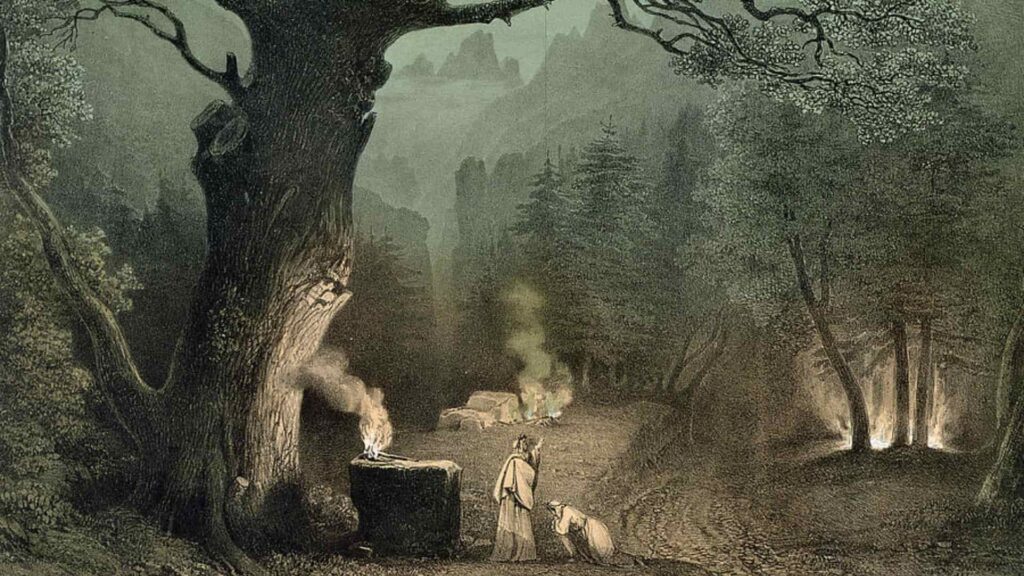
How Mage: The Ascension Turned Ideas Into Its Deepest Lore
Mage: The Ascension has gained the reputation of being one of tabletop roleplaying’s deepest and most idea-rich settings. That places it beside such venerable franchises as Warhammer 40K and Dungeons & Dragons. How did a game about wizards hiding in the urban landscape earn a seat at such an esteemed table? There were many games in the 1990s that competed for attention and featured magic. Dungeons & Dragons’ second edition and Shadowrun carved out comfortable niches and remain popular today. Mage was the only game that asked players to consider how their magic worked. Where did it come from? Not which gods or which elements but which ideas.
The bold, dynamic mages who moved the World of Darkness forward were not merely dedicated students who practiced and memorized. The sources and methods of the mystic arts in most roleplaying games are an assumed part of the setting. Wizards either learn their arts from the same source or from a select few. The details are swept aside because they couldn’t be interesting. What the wizards are doing is important. The magic is merely a means to an end.
Mage questioned assumptions up front by making each mage an innovator. To make magic, you have to step away from the ordinary. When you step away from the fields we know, you’re on your own. You have to not only build your own spells, but you have to decide what tools you will use in the effort. A table built with hand saws, hand planes, and a carving set will be quite different from the one produced with power tools. Although it isn’t required to play the game, players are encouraged to think like their characters. Magic can come from any culture, any tradition, any set of ideas. Mages must not only choose the ingredients of their magic, but they must also decide how they work together. Each mage must bring something new, something personal, to the world, or he can’t change anything.
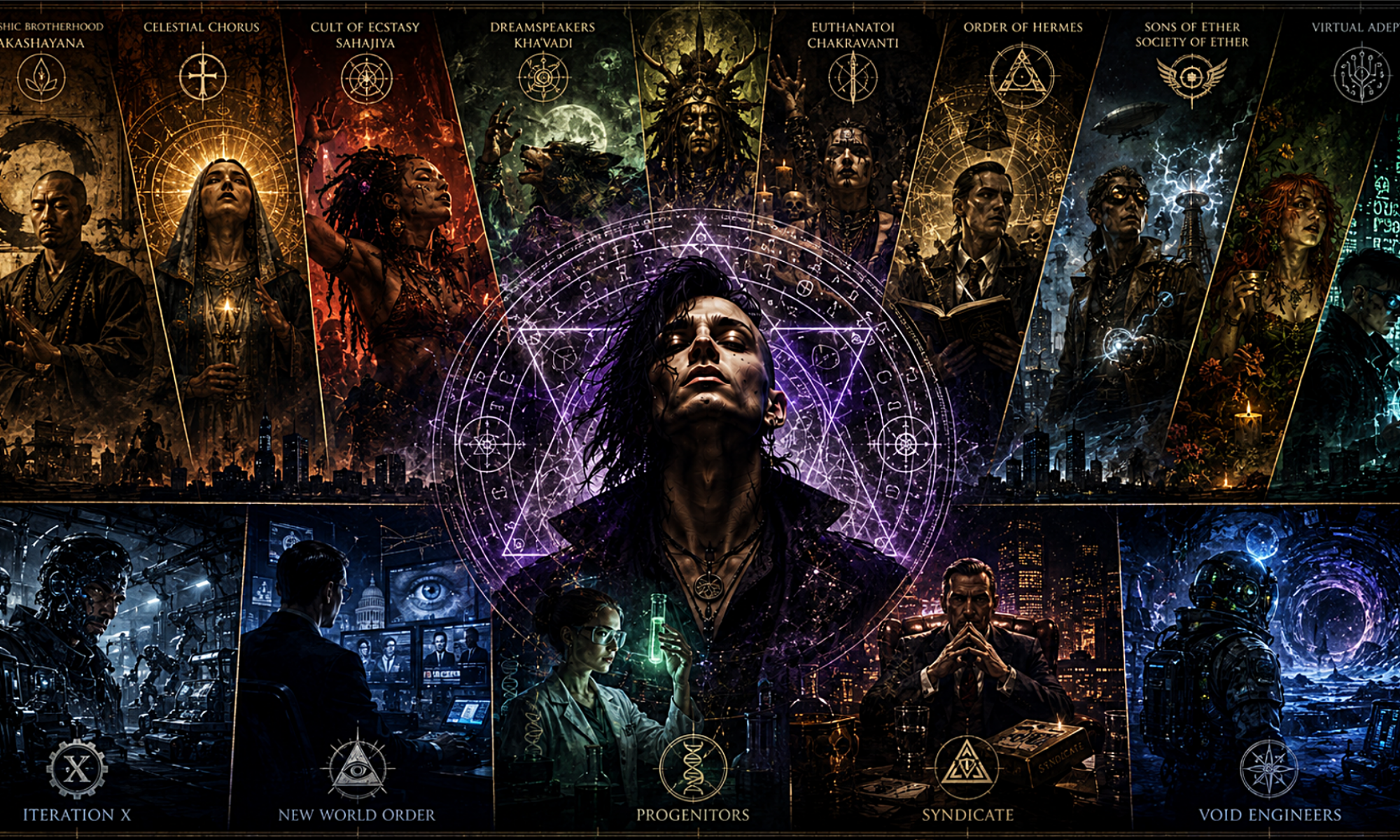
To help players think like their characters, the writers contributing to the game offered a rich and varied set of groups to teach magic to new mages. The Verbena conducts rituals that were old when Europe was young. Virtual Adepts push the limits through cutting-edge devices and software. The Syndicate redefines what is possible on Wall Street while Hollow Ones pull mysteries from the dirtiest back alleys.
The game drew from a wide range of religious, philosophical, cultural, artistic, and technological traditions. In the process of thinking of new ways to approach the mystic arts, the lore of Mage grew organically. New fans to the game will find that lore isn’t filled primarily with events and personalities, but with philosophies, histories, perspectives. Anything can lead a will-worker to a new way of looking at the world. A social media post can stir an idea as well as a dusty old book. It’s the ideas, not the status quo, that determine where things go from here.
Players new to the game will enjoy learning about the Traditions, Disparate groups, Conventions, Orphans, and others who make Mage a rich tapestry. After familiarity grows, the challenge becomes more attractive: What makes your magic work? Where does it come from? How will those ideas change you? Will they survive contact with the enemy? Mages don’t pontificate in an easy chair. They take their mystic arts, constructed from their ideas, into a world where the unexpected will confront them. No man is an island, and an enemy as well as a friend may show a mage the other side of the coin or where the path they’re on might lead.
Mage has captured so many fans because it engages them on multiple levels. Defeating enemies and supporting allies are only the first steps. Defending their magic against other perspectives allows an intellectual challenge to accompany every physical one. Will the Ngoma of Africa show you the blind spot in your faith? Will the Euthanatoi of India point out the futility of your ideas? More than your neck is at risk when you face off with the Technocracy. Your perspective may also be in danger.
That’s the basis for Mage’s rich lore. If you’re wondering how deep the lore goes, well, how deep do you go?
Five Questions That Reveal a Mage’s Paradigm
A paradigm is more than a character’s preferred magical style. It is their explanation for how reality works, why most people misunderstand it, and what must happen before change becomes possible.
Before your next session, answer these five questions in your character’s voice:
- What is reality made of?
Matter, spirit, information, divine will, dreams, stories, probability, or something stranger? - Why can most people not perceive the truth?
Are they conditioned, asleep, frightened, deceived, spiritually unprepared, or simply looking in the wrong direction? - What must happen before magic works?
What does your mage need to understand, perform, invoke, calculate, sacrifice, or believe? - What evidence could prove them wrong?
A belief that cannot be challenged may be difficult to explore in play. What discovery would genuinely shake their worldview? - What would Ascension look like to them?
Personal enlightenment? Collective liberation? Perfect knowledge? Union with the divine? Escape from reality? Control over it?
Write down the answers before the next game. They do not need to be polished or permanent. A few honest sentences can give you clearer Effects, stronger roleplaying choices, better conflicts, and a much sharper sense of what your mage is actually fighting for.
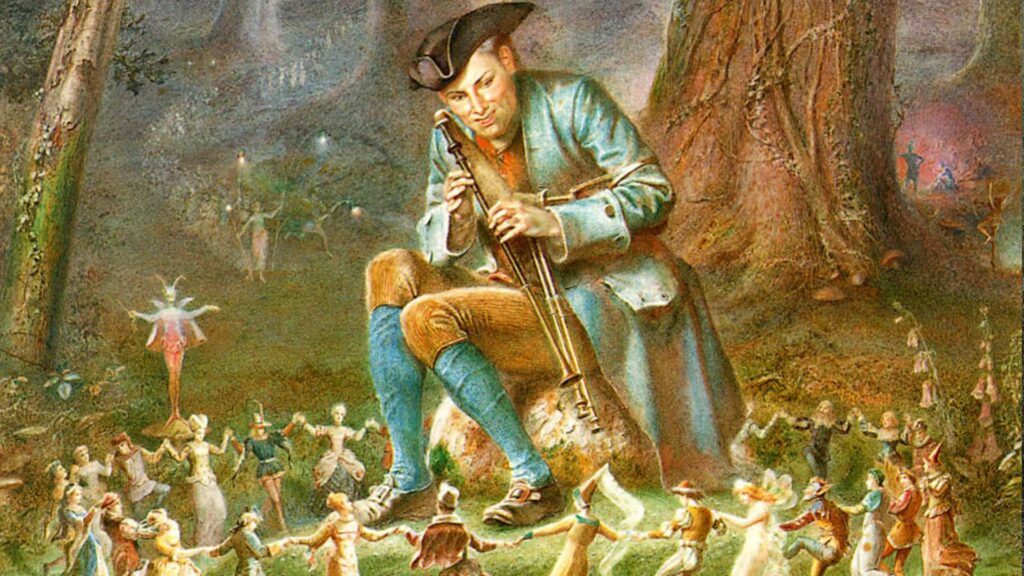
New to Mage: The Ascension? Start Here.
What Is Mage?
Imagine a world where reality is not quite as solid as it looks. In Mage: The Ascension, what people believe helps shape what is possible, and a few ordinary people awaken to the unsettling truth that reality can be changed.
With enough knowledge, imagination, and force of will, a mage can push the world in a different direction.
Mage is not really about memorizing a list of spells or collecting bigger powers. It is about belief, philosophy, creativity, and what happens when someone gains the ability to make their ideas real. Every act of magic begins with a simple question: What does your character believe is possible, and why?
That can make Mage feel a little strange at first, but it is also what makes the game so rewarding. Your character’s worldview matters. The way they understand science, religion, art, technology, nature, spirits, or the human mind shapes how their magic works.
Whether you are opening a Mage book for the first time or coming back after years away, Mage: The Podcast is here to help you find your footing. We explore the game’s lore, rules, history, books, storytelling ideas, and the people who helped create it.
Our goal is simple: to help you better understand Mage, build stronger characters and chronicles, and feel a little more at home in one of tabletop gaming’s strangest and most rewarding worlds.
What is Mage: The Ascension?
New to Mage? This is the perfect place to begin. Mage: The Ascension co-creator Satyros Brucato joins us to explain what makes Mage unlike any other roleplaying game—and why, decades later, players are still debating its ideas.
🎧 Listen here.
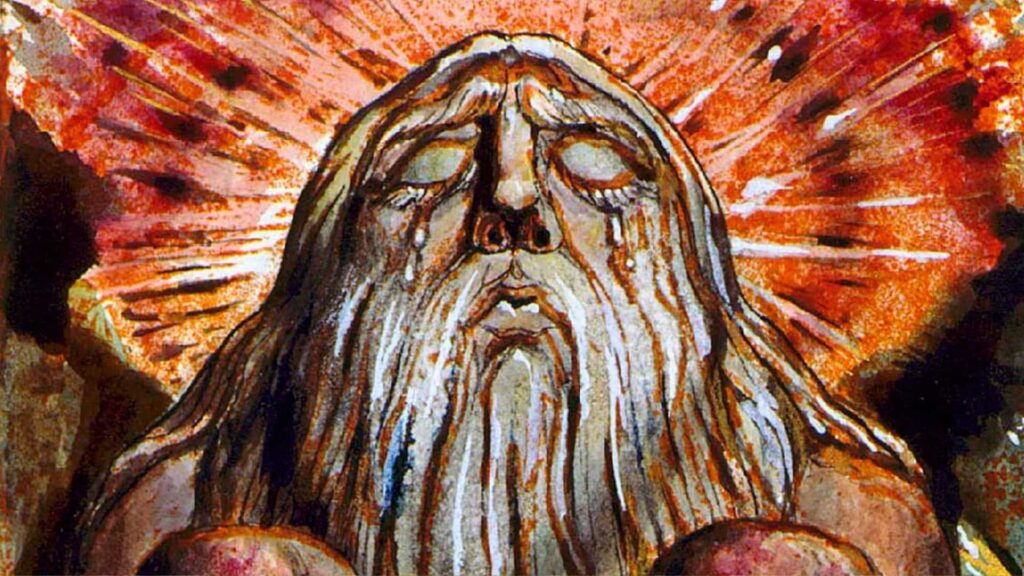
Beyond the Podcast: Three Things Worth Your Time
Rather than offer a pile of links, we picked three resources that do different jobs: one helps you introduce the game, one helps you simplify it, and one shows what Mage can look like around the table.
Mage: The Ascension – Horoscope
A June 30, 2026 Storytellers Vault listing described as “Tradition Horoscopes.” Useful as quick character, cabal, or paradigm flavor when you want a mystical prompt rather than another rules subsystem.
https://www.storytellersvault.com/en/product/573747/mage-the-ascension-horoscope
Mage: tA: Second Edition or Revised etc.
A current Onyx Path forum thread comparing Mage 2e and Revised hard-copy options. Worth watching because edition-choice threads are often where practical table preferences, print availability, and “what should I actually buy?” advice surface.
Mage the Ascension: The Victorian Age
Source/creator: Dork Tales
Dork Tales’ Victorian Mage actual-play hub remains a strong bookmark for Storytellers mining period mood, Order of Reason pressure, and cabal-centered structure. The show page frames the Doves as four young women seeking autonomy in a world trying to tame them.
https://www.dorktales.com/the-victorian-age
From the Chantry
Mage has always lived as much in conversation as it has on the page. From the Chantry is where we’ll share what the wider community is thinking, creating, debating, and bringing to the table.
Recently, we asked listeners on social media:
Which setting space do you most want a Mage story to explore?
The city and the Horizon Realms tied for first place, each receiving 40% of the vote. The Digital Web followed with 20%, while the Umbra received no votes at all.
ther Mage fans are eager to explore the places where reality is built, or the Umbra needs a better publicist.In future issues, this section will also feature subscriber replies, listener stories, campaign ideas, creative projects, and other contributions from across the Mage community.
The Question at the Door
What was the moment when Mage: The Ascension finally clicked for you, or what part of it are you still trying to get your head around?
Maybe it was a favorite character, a rule that suddenly made sense, a memorable chronicle, a good conversation, or one little paragraph tucked away in a book. Maybe you have loved Mage for years and there is still one corner of it that leaves you scratching your head.
Just hit reply and tell us about it, or come join the conversation over in Discord.
Your answer might even spark a future episode, article, or newsletter.
Coming Up Next Month
Next month, we’ll continue preparing for the multi-part Reality Deviants Book Club with selected research notes, reading recommendations, and some of the questions shaping our approach to Grant Morrison’s The Invisibles.
We would also like to hear from readers who have spent time with The Invisibles. What confused you, changed your mind, sent you down a rabbit hole, or made you see the series differently? Reply to this email with your questions, reading recommendations, favorite passages, or stories about your own experience with the comic.
Subscribers will also receive occasional material that will not appear on the website, YouTube, or social media—including research notes, reading lists, behind-the-scenes observations, and other pieces that fit better in a quieter corner of the internet.
More soon, once we have followed a few more suspicious-looking threads.
Farewell
Until next time, question the map, distrust the Consensus, and remember that every paradigm reveals something by hiding something else.
🌐 Website
💖 Patreon
🦋 Bluesky
💬 Discord
🐘 Mastodon
🖼️ Pixelfed
🧵 Threads