Whether you’re discovering Mage for the first time or returning after years away, Mage: The Podcast is your guide to one of tabletop gaming’s richest and most rewarding settings.
Start Here
A podcast for Mage: The Ascension players, storytellers, and World of Darkness fans.
Whether you’re discovering Mage for the first time or returning after years away, Mage: The Podcast is your guide to one of tabletop gaming’s richest and most rewarding settings.
In Part 2 of our Bastet crossover discussion, we examine the Ajaba’s conflicting histories, Black Tooth’s shortcomings as a villain, supernatural Gifts and Rites, and how Bastet can function as player characters, antagonists, or allies in a Mage chronicle. We also consider hedge magic, stealing Gifts, the problems of mixing World of Darkness game systems, and why a Bastet who knows something your cabal doesn’t may be more interesting than another supernatural combatant.
Pooka and Lee Webb revisit White Wolf's 1995 anthology City of Darkness: Unseen, a collection of interconnected stories featuring mages, vampires, werewolves, and wraiths.
This episode focuses on the Mage stories and examines magical hubris, the Technocracy, supernatural crossovers, and what makes fiction feel true to Mage: The Ascension.
Spoiler warning: Major story spoilers throughout.
The cats are out of the bag! Adam is joined by Pooka for a tour through the Bastet, the werecats of the World of Darkness, and the many ways they can complicate a Mage: The Ascension chronicle.
What makes tie-in fiction actually feel like Mage: The Ascension? Pooka and Lee Webb explore selected stories from Dark Destiny and Dark Destiny 2: Proprietors of Fate, two World of Darkness horror anthologies filled with Technocrats, Nephandi, historical occultists, former mages, reality shifts, ecstatic rituals, and more than a few questionable decisions.
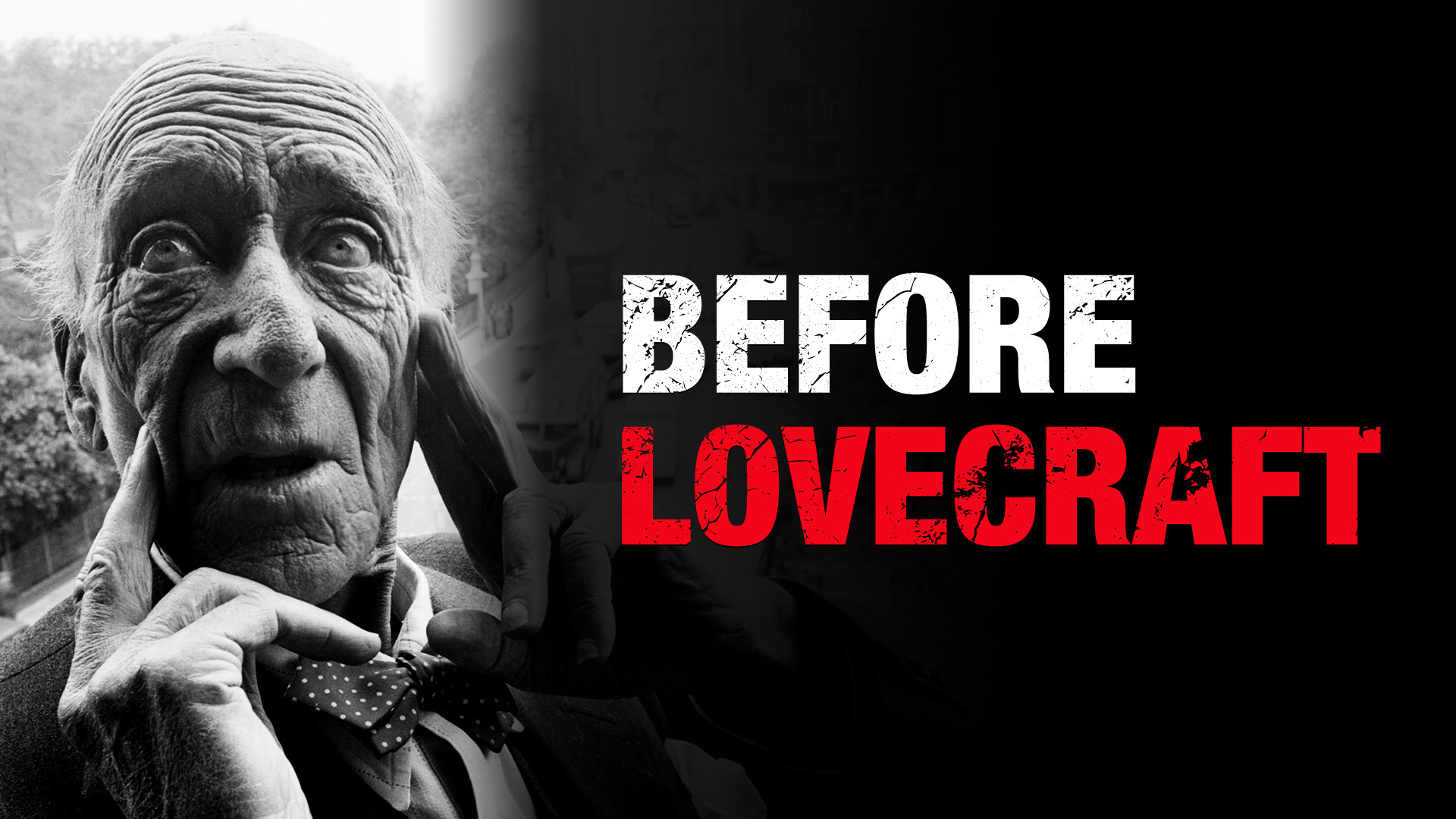
Adam and Pooka discuss Algernon Blackwood’s fiction, his occult interests, his fascination with nature, and what his stories can teach Mage: The Ascension Storytellers about the sublime, supernatural uncertainty, spirits, Correspondence, Awakening, and psychological horror.
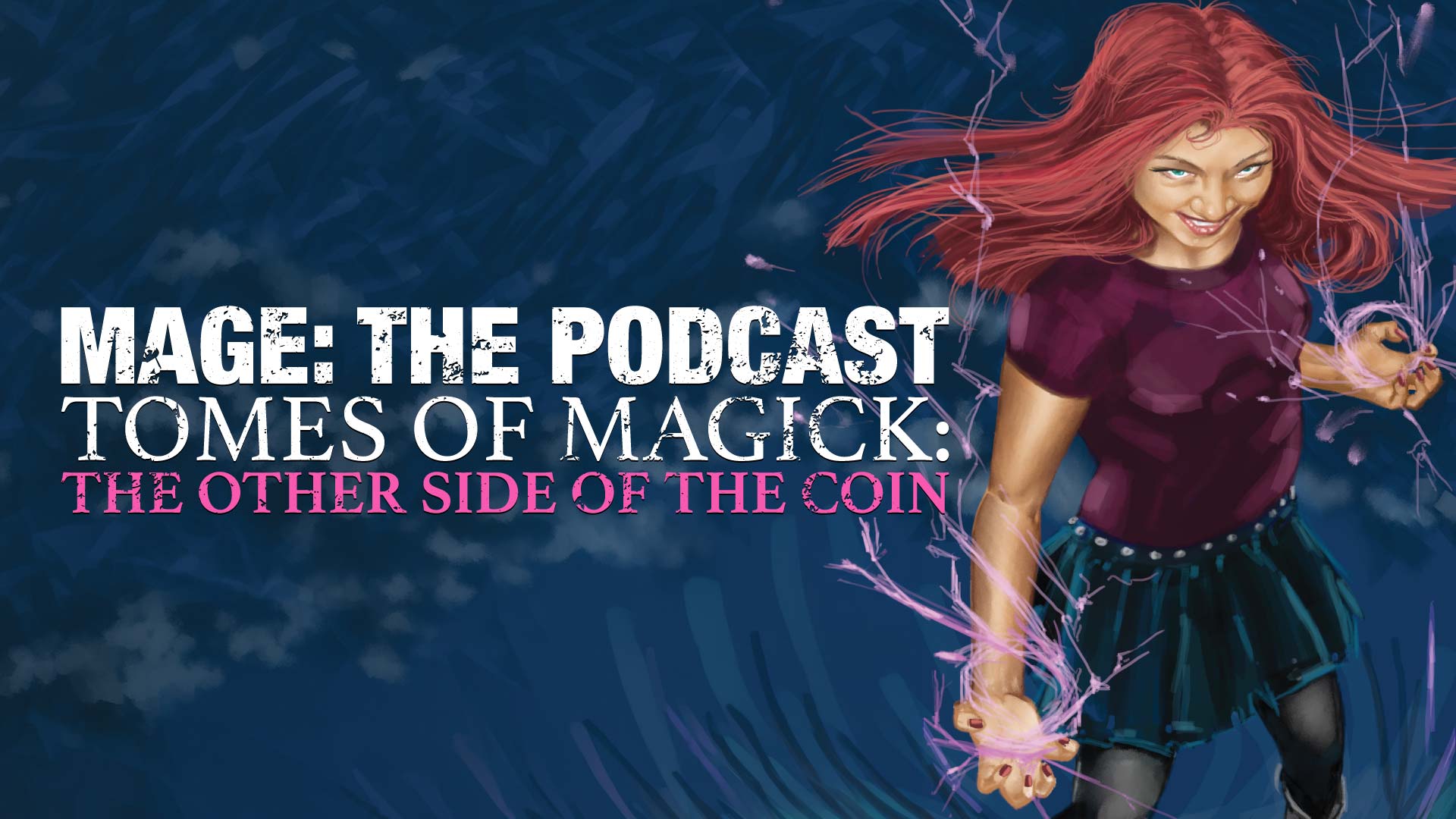
We’re returning to Tomes of Magic in Translation with a Spanish-language introductory adventure for Mage: The Ascension 20th Anniversary Edition.
La Otra Cara de la Monera is an 18-page one-shot for two to five players that introduces the Traditions, Sphere magic, Resonance, Paradox, Avatars, and magical Focus through an investigation into a series of horrific supernatural crimes.
The trail leads from an impossible murder scene to corrupted young mages, the Nephandus Mark Frazier, and an expanding metaphysical void that may eventually consume the surrounding neighborhood.
We break down all seven scenes, examine the five pregenerated characters, and discuss what happened when the adventure was actually run for a table containing both new and experienced World of Darkness players.
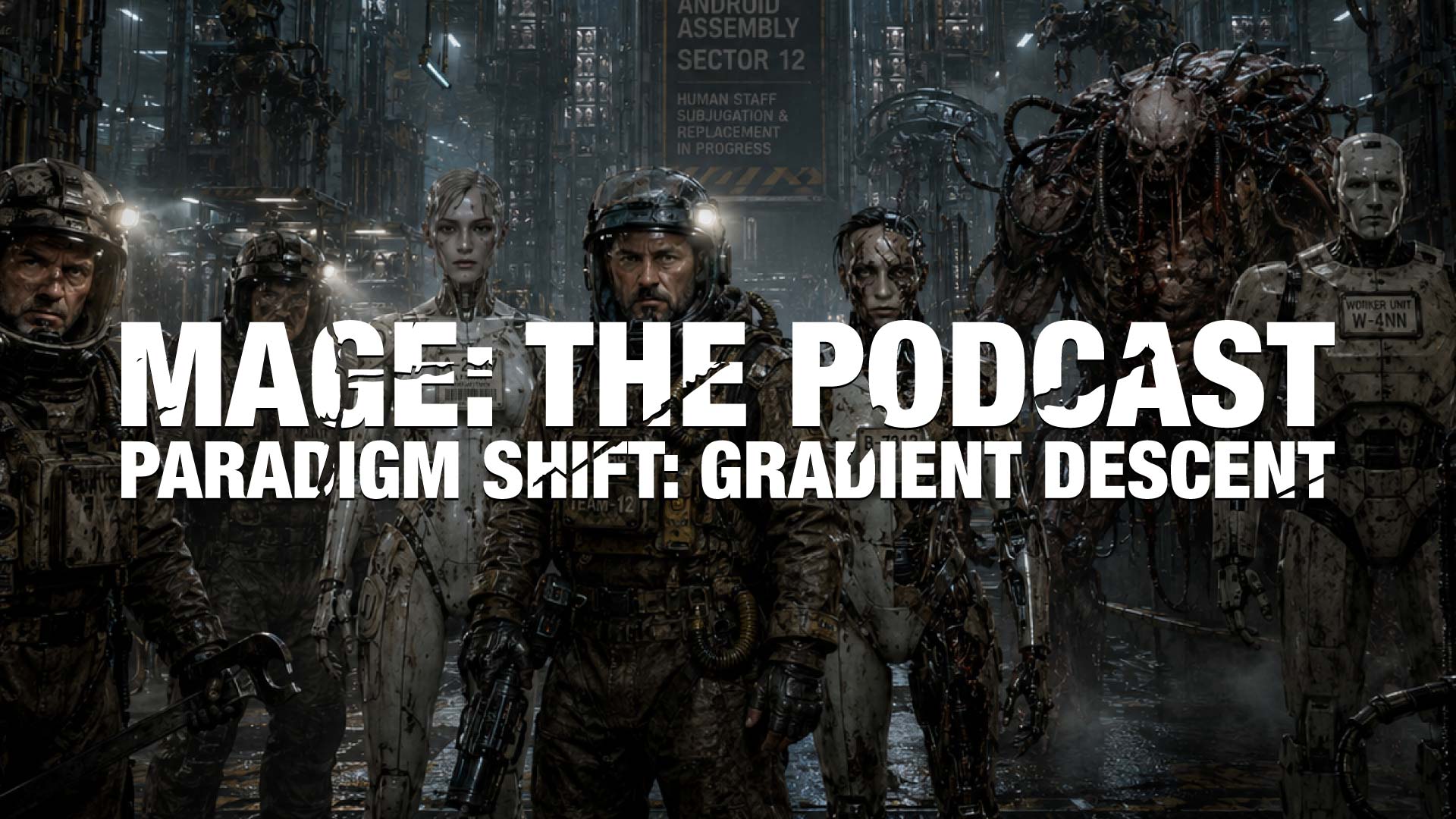
What happens when a Mothership scenario is brought into Mage: The Ascension?
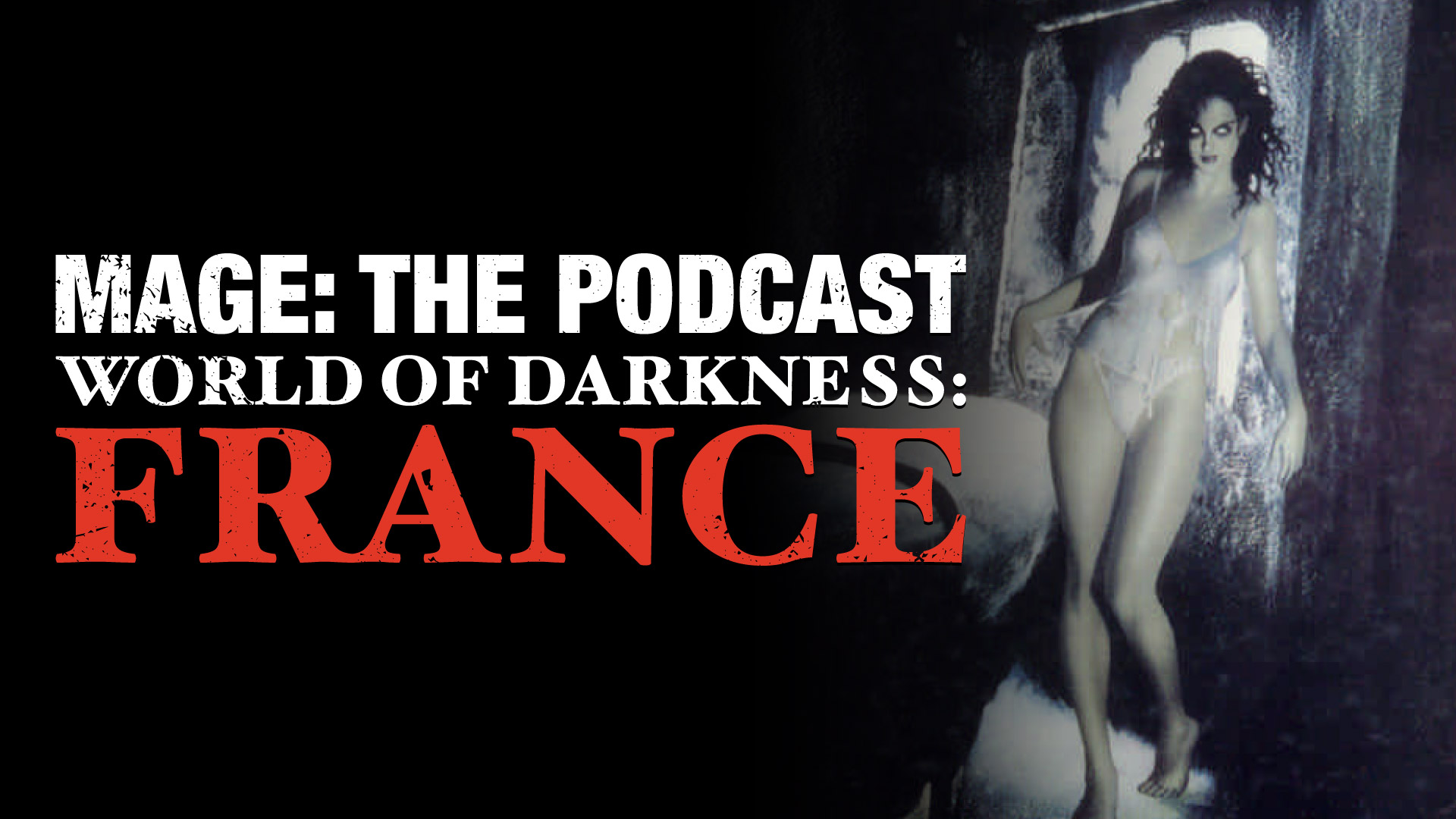
Pooka begins a new Tomes of Magic miniseries about licensed Mage books that never appeared in English.
The first subject is Le Monde des Ténèbres: France, a rare 1997 French World of Darkness supplement. Its Mage chapter presents a highly personal vision of Awakened France: Breton Verbena, technocratic influence over European institutions, Etherites at Futuroscope, an isolated French region of the Digital Web, Jules Verne working with Marauders, an awakened AI, and a system for changing the rules of reality itself.
The book is imaginative and packed with unusual chronicle hooks, but does it actually help a Storyteller run Mage in France?
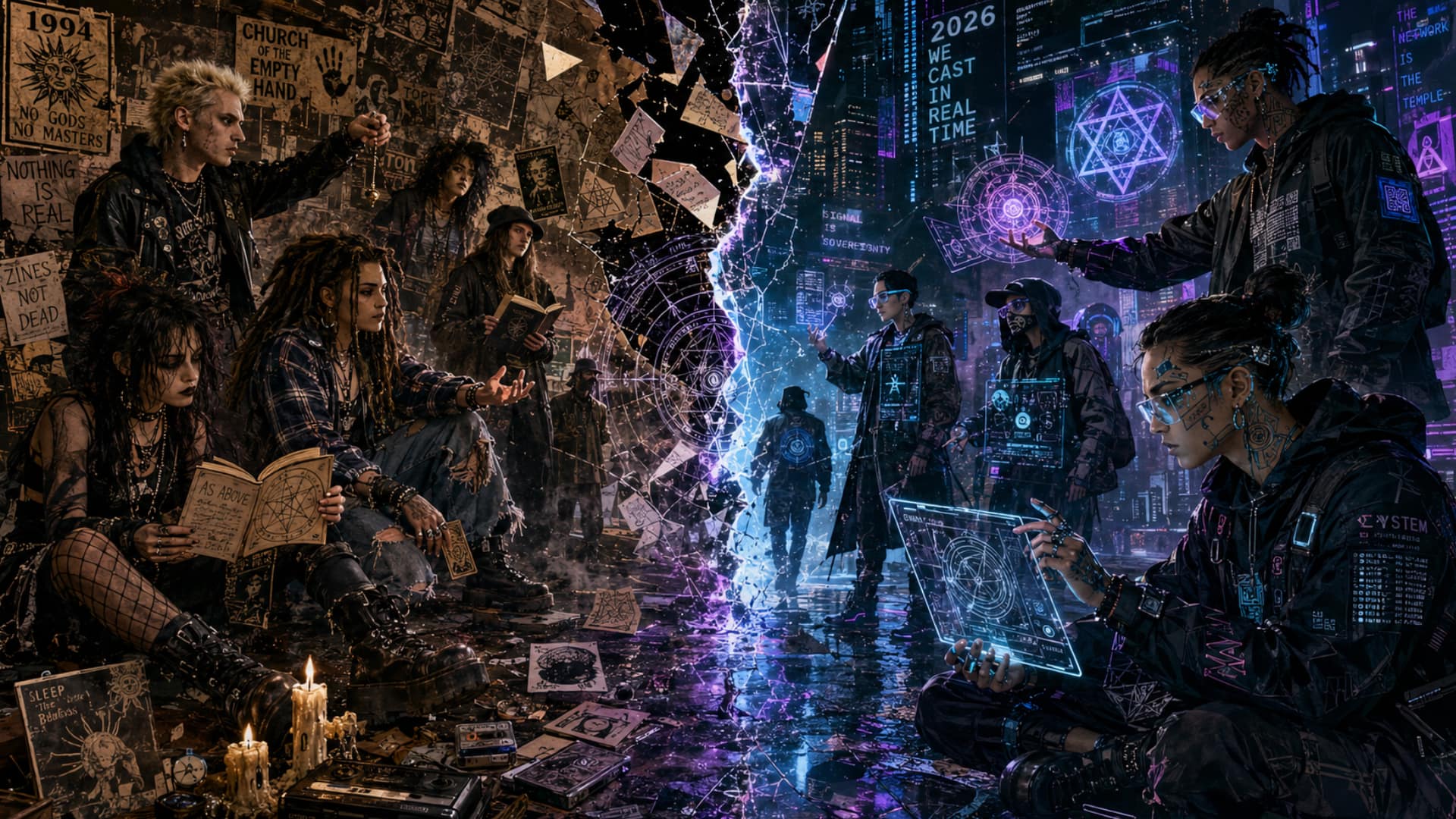
For the first episode I sat down with Satyros Phil Brucato, one of the main creative forces behind Mage. I asked him the dumb obvious question. What is this game, actually? He said: Mage is a game about reality on the brink. I’ve been chewing on that ever since. Because it was true in the ‘90s when the game came out. It was true in 2018 when we talked. And honestly, in 2026 it might be the most true it’s ever been, which is either exciting or alarming depending on the day.
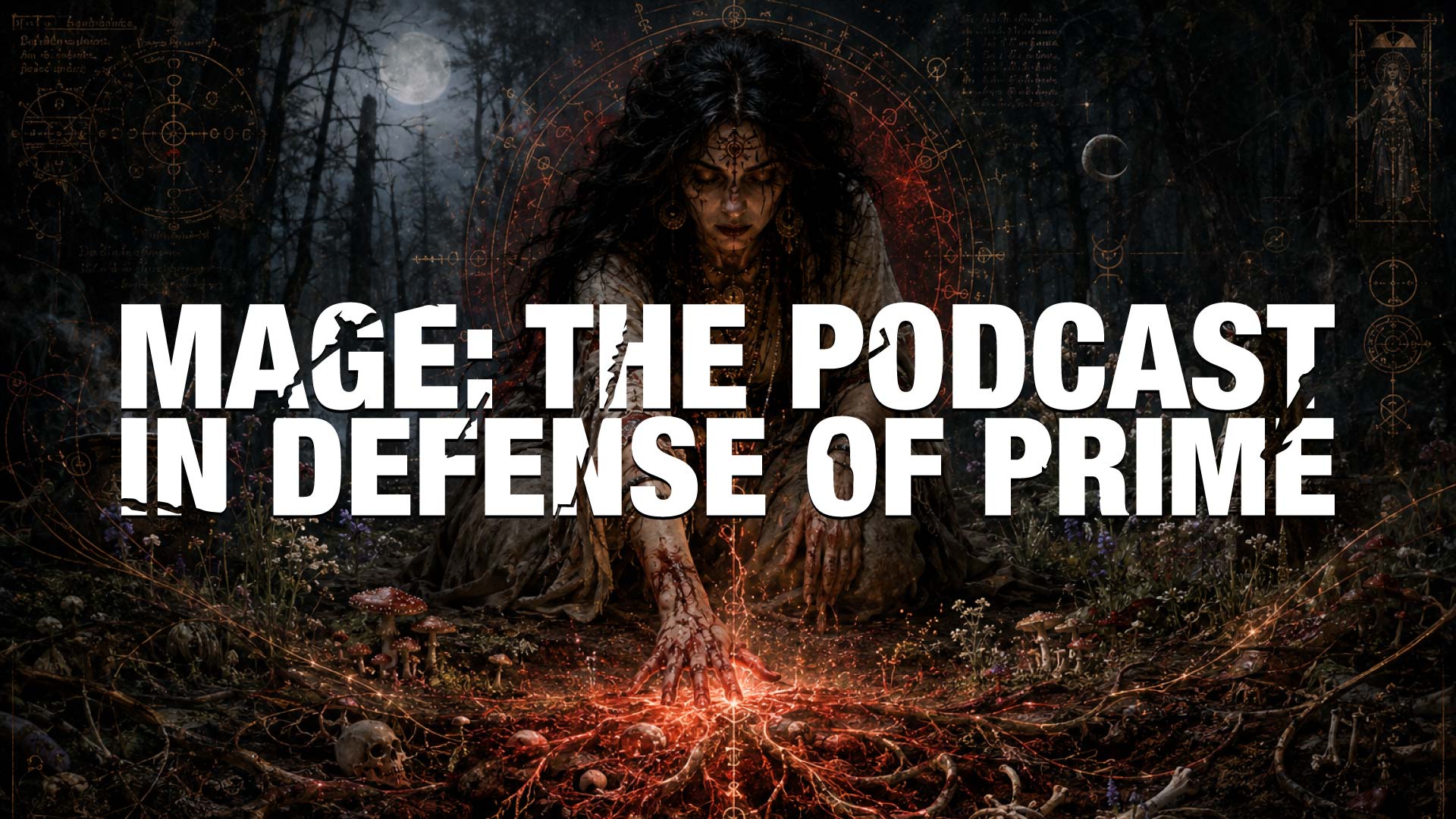
Adam and Heilong talk all about Prime, the Sphere that turns Quintessence from airy theory into table-ready trouble. They tackle the “Sphere tax,” node-scrubbing, Primal Utility, Platonic ideals, and why Prime makes Mage’s reality-wrangling feel real enough to kick the furniture, and maybe rewrite the town.